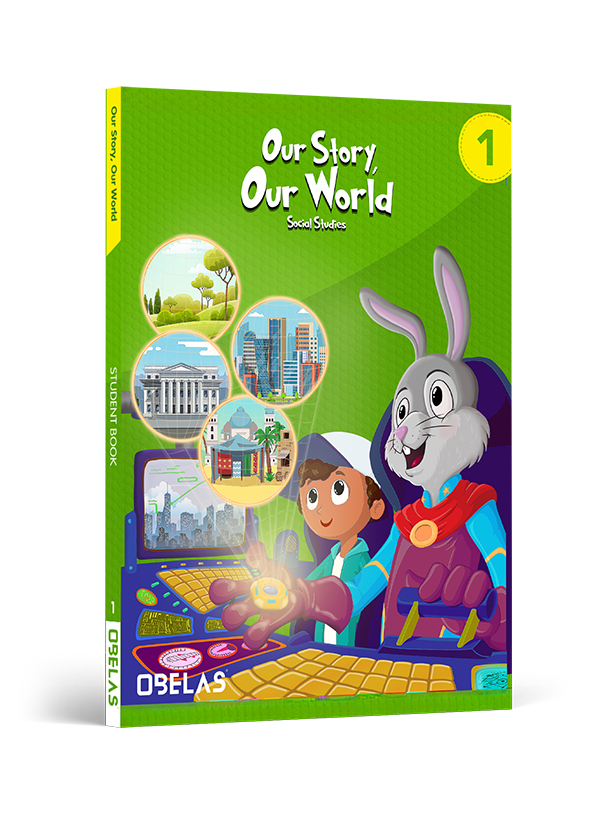
Grade 1
Our Story, Our World
Our families, our neighborhoods, and the world nearby.
View course
A comprehensive, inquiry-driven K–9 curriculum built on the C3 Framework and aligned with NCSS standards, developing historical thinking, civic responsibility, geographical understanding, and economic literacy.
Inquiry and project-based learning where students investigate authentic questions, evaluate evidence, and connect their learning to real-world issues, culturally inclusive, globally relevant, and reviewed by regional experts.
Every OBELAS Social Studies lesson weaves history, geography, civics, and economics into a single inquiry.
Sourcing, perspective, and chronological reasoning across periods and regions.
Place, environment, sustainability, and spatial thinking.
Rights, responsibilities, governance, and active citizenship.
How people, communities, and systems make decisions.
From global citizenship to real-world participation, we design every unit to prepare learners for an interconnected world.
Learners see themselves as active members of a connected world.
Sourcing, contextualizing, and corroborating evidence across periods.
Reading places, systems, and environments with spatial reasoning.
Rights, duties, governance, and everyday citizenship in action.
Decisions, trade-offs, systems, and markets, how societies allocate.
Compelling questions drive investigation and reasoned response.
Curiosity for cultures and identities beyond one's own.
Locating, evaluating, and synthesising credible sources.
From classroom inquiry to the communities students live in.
Citizens equipped to contribute, locally and globally.
Differentiators built into the curriculum, from C3 alignment to OBELEARN integration.
Student books, teacher guides, an assessment center, and a digital suite, designed to work together.
Inquiry-driven textbooks organised by Units, Chapters, and Lessons, investigating historical events, cultures, societies, and global issues through compelling questions.
Lesson guidance, inquiry strategies, differentiation support, discussion prompts, project facilitation, and assessment guidance.
Diagnostic, formative, and summative assessments, document-based questions, performance tasks, and inquiry projects.
Interactive maps, multimedia resources, historical sources, collaborative activities, and digital assessments.
A continuous 1-9 pathway, nine grade-level courses in one coherent story.
Our families, our neighborhoods, and the world nearby.
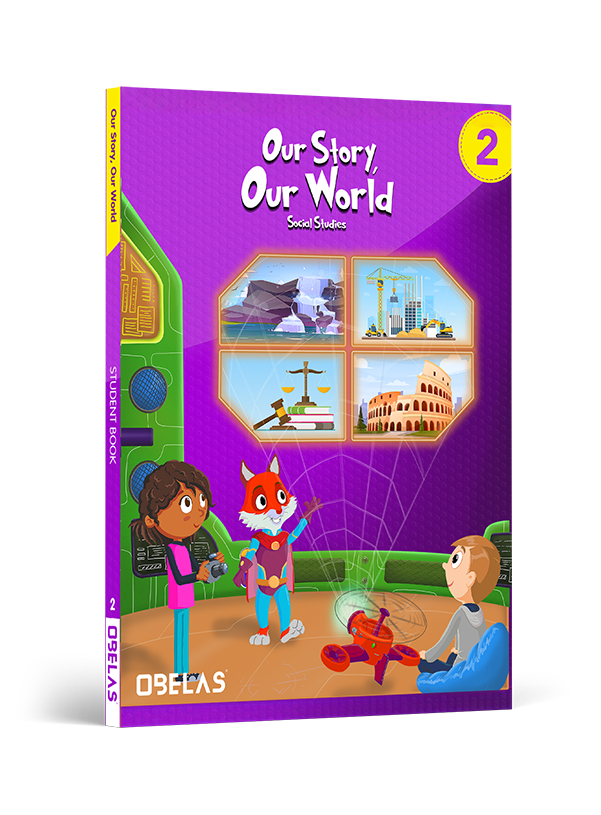
Communities near and far, how people live and work together.
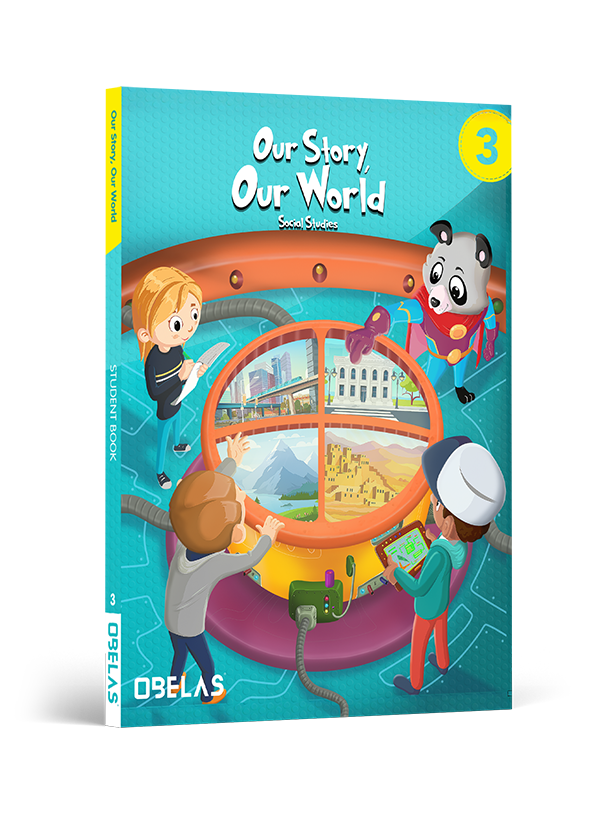
Regions, cultures, and the geography that shapes them.
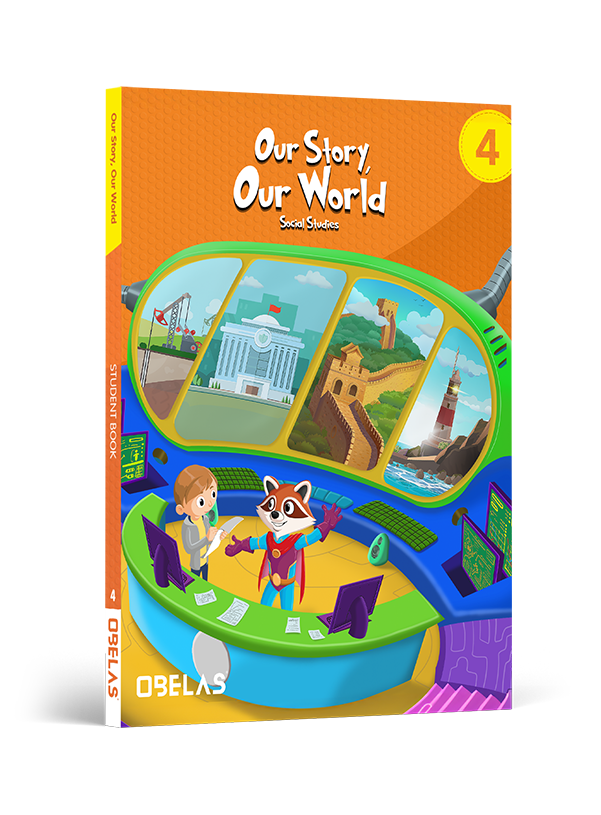
States, nations, and the systems that connect them.
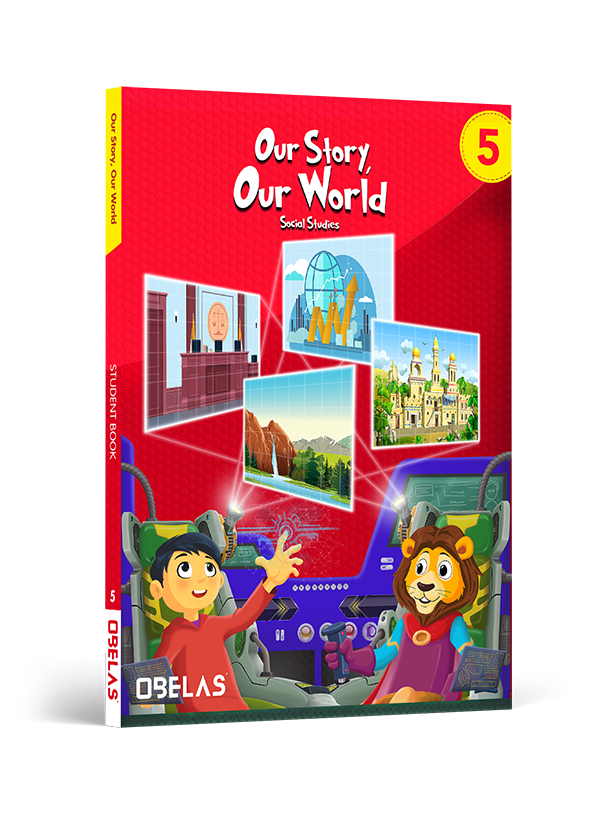
Civilization, exchange, and the making of the modern world.
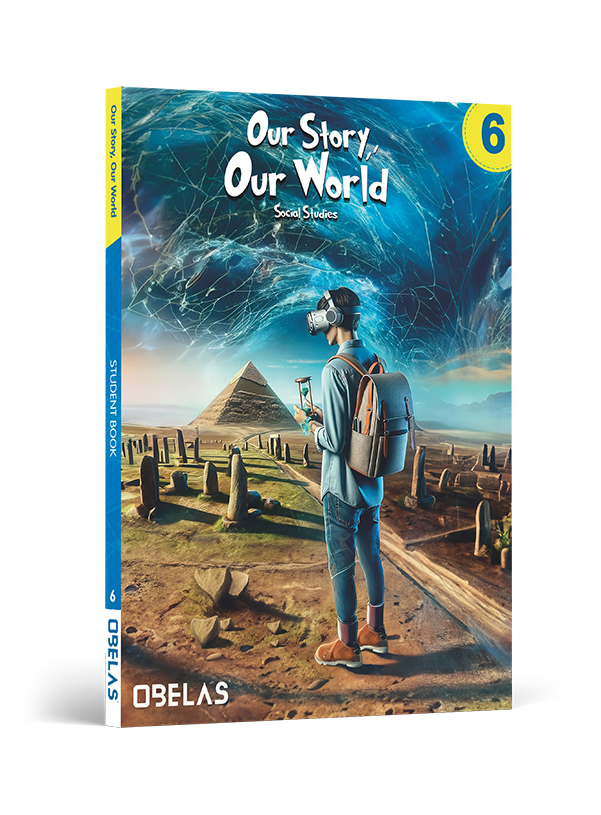
Ancient worlds, origins, empires, and enduring ideas.
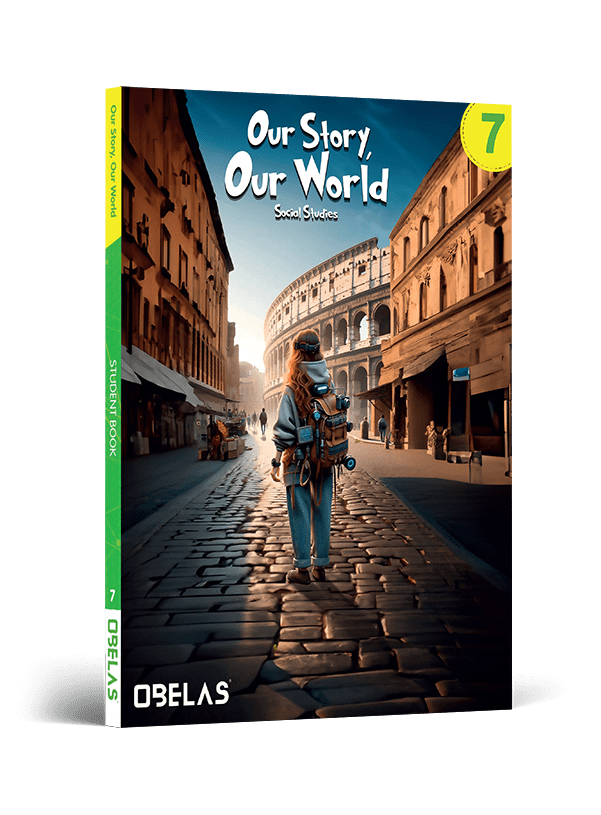
Medieval and early modern history across continents.
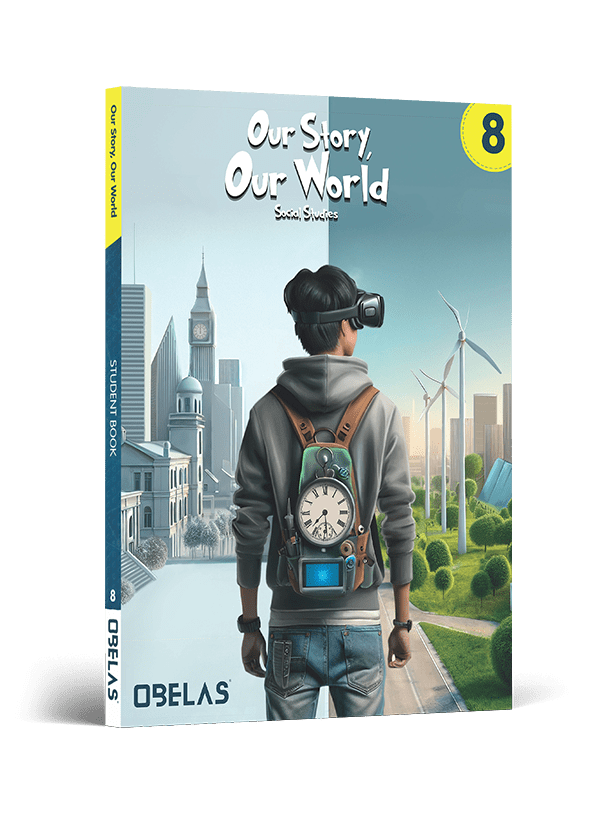
Nations, revolutions, and the shaping of the modern era.
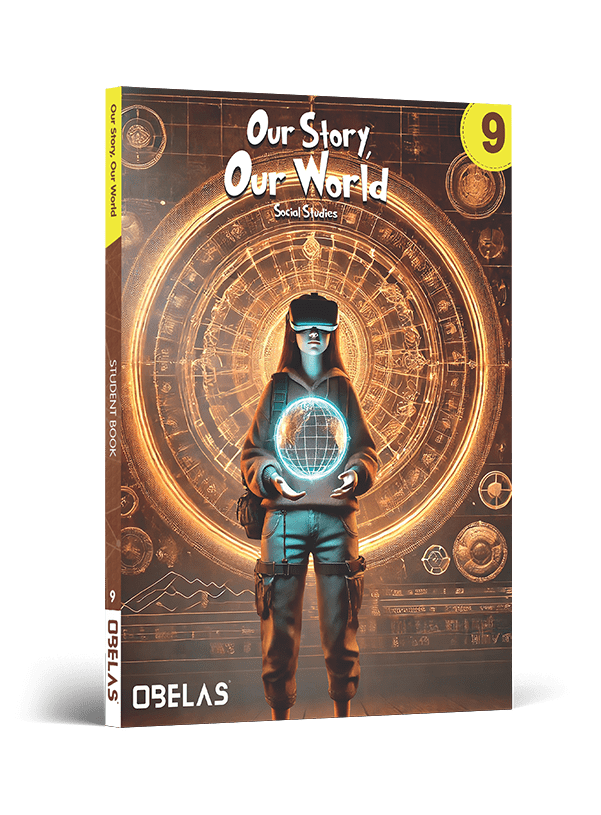
Global systems, citizenship, and the world today.
Compelling questions anchor every unit, students investigate, evaluate, and respond with evidence.
Authentic projects connect classroom study to communities, cultures, and civic life.
Content reviewed by regional experts, every learner sees themselves in the story.
Local roots, global reach, history and society told from many vantage points.
Talk to us about adoption across your school, group, or system, including print, digital, and teacher training.
The OBELEARN® PARENT GUIDE is now live
A step-by-step walkthrough for parents and guardians